Noise
issues
Stove making noise?We track the leak and fix it at the source.
If you notice a gas odor near the stove, around the control area, or by the lower burner section, we inspect the gas connection, igniter area, burner assembly, and controls to find the real source fast.
Leak source checks
Hoses, pump, boot seal, and tub area testing.
Cycle-stage review
We check when the gas smell appears, whether it happens at startup, during preheat, or while the stove is running.
Clean repair
Clear estimate and tidy in-home service.
What we check
The main reasons a stove smells like gas
Leak problems can come from simple hose issues or deeper tub and pump-seal failures. We trace the leak path and fix the actual source instead of guessing.
Gas line and fittings
Loose, cracked, or split hoses can let water escape during the cycle.
Door boot and tub seal
A worn seal or loose fitting can allow gas odor to escape during operation.
Pump housing and connections
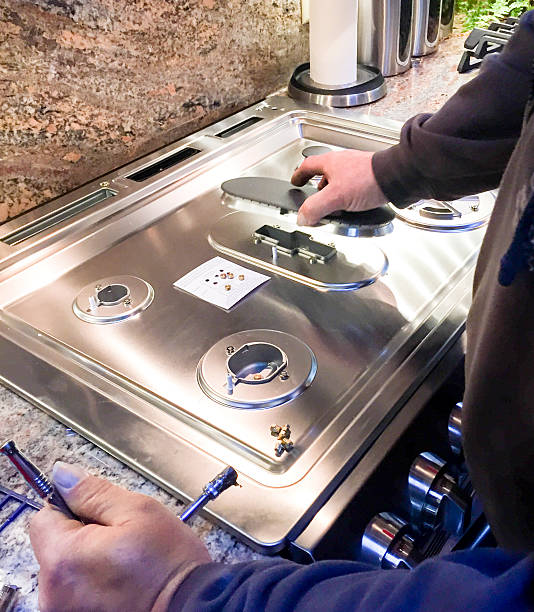
We inspect the burner area and gas connections for loose fittings or ignition trouble.
Water inlet and overflow path
We check inlet valves, overflow conditions, and where the leak begins.
Helpful note
Tell us when you notice the smell, whether it happens during startup or preheat, and if it is constant or occasional. That helps us narrow the likely source faster.
Our process
A clean workflow for gas smell repair
We trace the leak path, confirm the failed part, and verify that the stove runs without leaking before we leave.
1. Inspect
We check hoses, seals, pump housing, and the tub area.
2. Confirm
We identify exactly where and when the leak starts.
3. Repair
We complete the repair with clean, careful workmanship.
4. Verify
We run the stove and confirm the leak is gone.
What you get
Clear estimate, targeted repair, and a stove that runs cleanly again without gas odor.
Common causes
What usually causes a gas smell problem
Split fill hose
A cracked hose can leak steadily or only during fill.
Door boot tear
A worn seal or loose fitting can let gas odor escape during operation.
Drain pump leak
A loose fitting or damaged connection can allow gas odor to escape during use.
Tub seal issue
A failing tub seal can leak underneath the stove.
Loose gas connection
A loose gas connection can create odor only when the burner is active.
Overflow or inlet-valve issue
An inlet problem or overfill condition can force water out during the cycle.
FAQ
Quick answers about gas smell repair
Yes. A cracked or loose hose may leak only during certain parts of the cycle.
Not always. Front leaks can also come from oversudsing, a dispenser issue, or water traveling forward from another source.
Usually yes. Continued use can spread water damage and sometimes turn a small leak into a larger repair.
Tell us where the water appears, when it leaks, and whether the stove still completes the cycle. That makes the diagnosis faster.